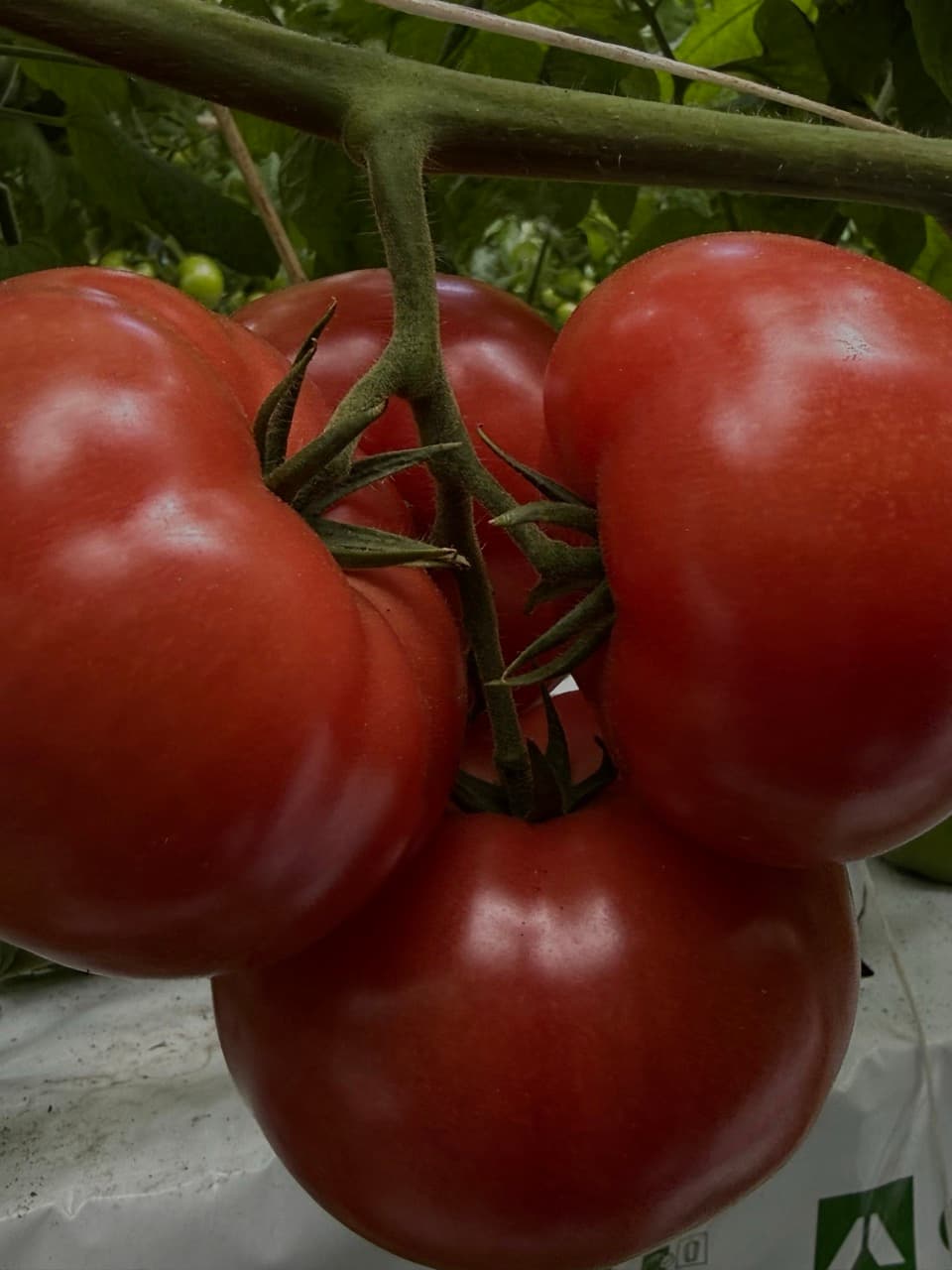
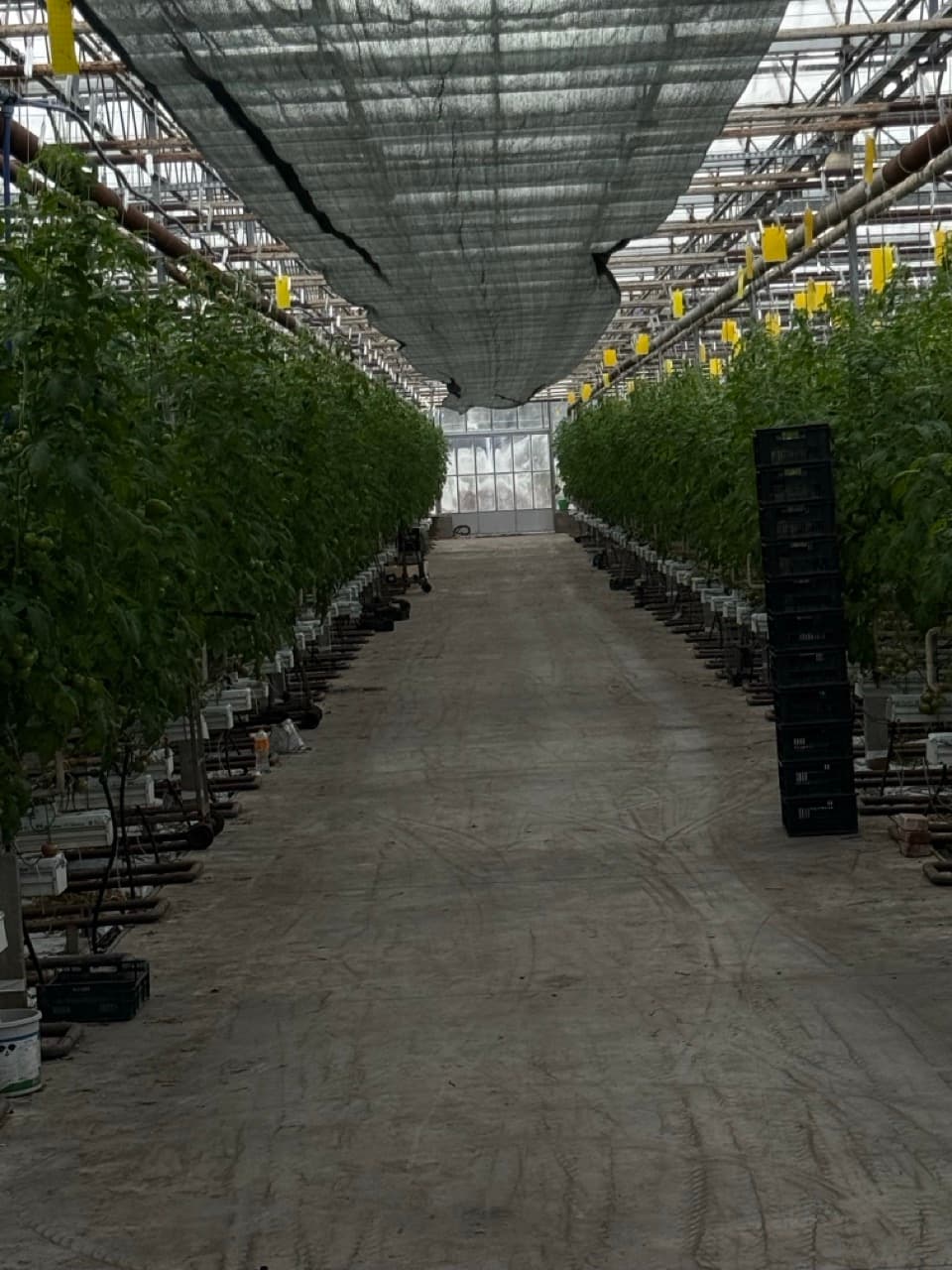
Marzena Ugorna Farm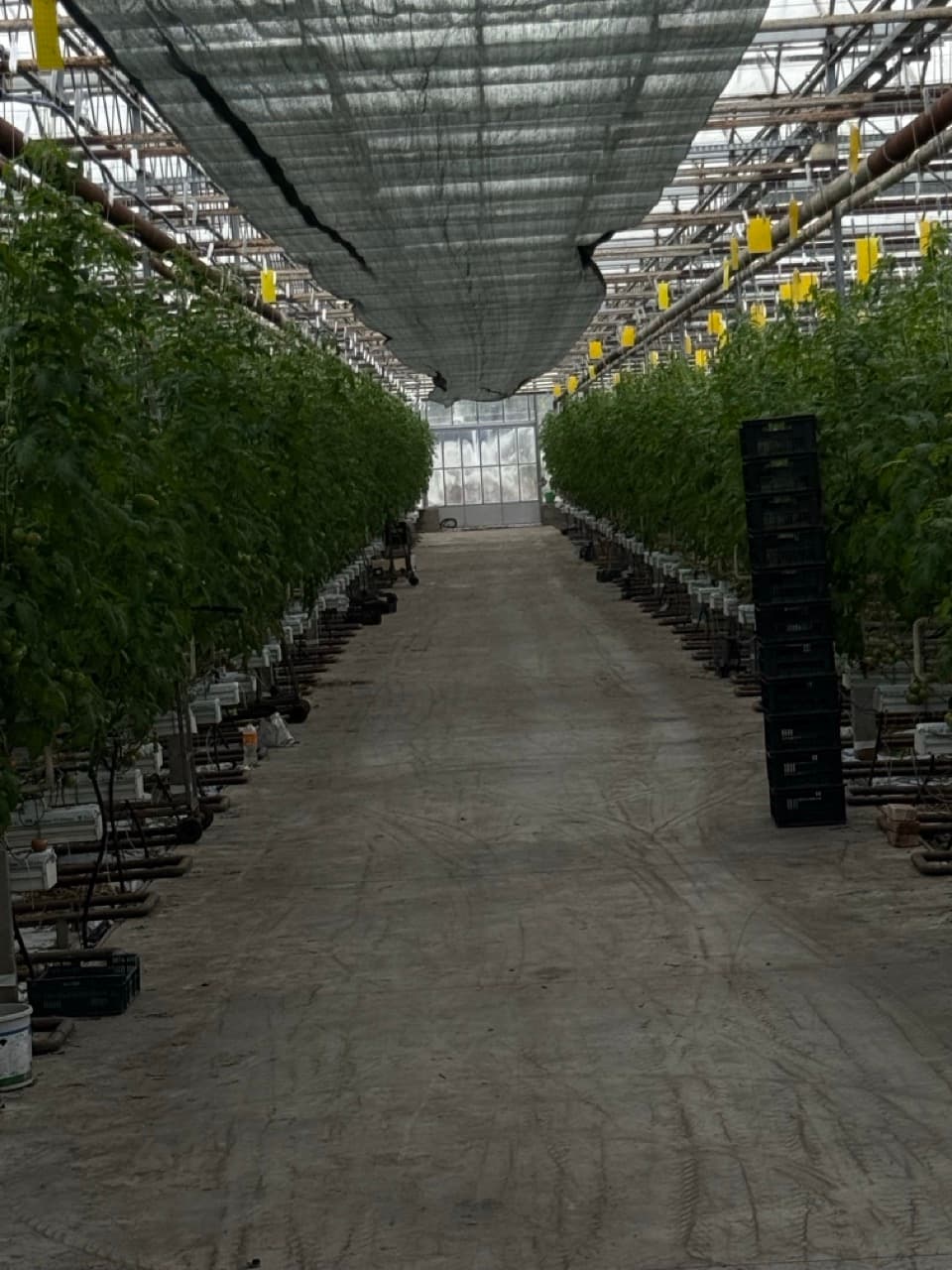
The Polish tomato landscape
Poland produces over a million tonnes of tomatoes annually, with greenhouse production concentrated in several regions: Małopolska (Lesser Poland), Kujawsko-Pomorskie, Lubelskie and Wielkopolska (Greater Poland). Each region has different soil characteristics and microclimate, affecting variety selection and growing season.
Wielkopolska, which includes the Kalisz area, benefits from a continental climate with warm summers and reliable sunlight during the peak growing months. The flat topography makes large-scale greenhouse construction practical, while the agricultural tradition of the region supports skilled specialist growers.
Greenhouse vs. field tomatoes in Poland
Polish field tomatoes are primarily grown for processing — tomato paste, canned tomatoes, sauces. Fresh market tomatoes come predominantly from greenhouse production, which can extend the growing season and provide more controlled quality.
The best Polish greenhouse operations combine controlled environment growing with careful variety selection and management practices that prioritise flavour. This is distinct from industrial greenhouse production, which uses similar infrastructure but operates at scale and with different objectives.
The Polish growing season
The outdoor tomato season in Poland runs from July to September. Greenhouses extend this to April through November, with some heated operations producing year-round. The quality peak, however, is concentrated in the same summer months regardless of growing method.
The longer days of June, July and August — with 16–17 hours of light at Polish latitudes — produce measurably better fruit than the short days of November–February. Tomatoes grown with supplemental lighting in winter can be consistent but rarely achieve the same flavour intensity as summer-grown fruit.
Varieties to look for
Polish specialty growers offer a range of varieties that are far superior to standard commercial types. Malinowe varieties are the most prized — intensely flavoured, aromatic and visually distinctive. Bawole serce (ox heart) types are another heritage variety worth seeking out: large, meaty and complex.
Cluster tomatoes grown on the vine (pomidory growe) and cocktail/cherry varieties from specialist operations are often dramatically better than supermarket equivalents. Look for local producers and farmers' market stalls that can tell you specifically where and when their tomatoes were grown.
How to find quality Polish greenhouse tomatoes
The most reliable source is a direct relationship with a specialist grower. Farmers' markets in Polish cities increasingly feature producers from the surrounding region — Poznań, Kalisz and Łódź markets all have specialist tomato sellers during the summer months.
For restaurants and professional kitchens, establishing a direct supply arrangement with a grower in the region is the most reliable path to consistent quality. The investment in finding the right supplier pays dividends in every dish where tomatoes appear.
- Farmers' markets in Poznań, Kalisz, Łódź (May–October)
- Direct farm purchases — many growers sell from the farm
- Specialty food shops focused on local Polish produce
- Restaurant suppliers specialising in local and seasonal produce
- Direct contact with growers (as we offer at Marzena Ugorna Farm)
Frequently asked questions
- What is the best time to buy Polish greenhouse tomatoes?
- The quality peak for Polish greenhouse tomatoes is July through September, when natural light levels are highest and the balance of sugars, acids and aromatics is at its best. May–June and October are also good months. Winter greenhouse tomatoes exist but rarely achieve the same flavour intensity.
- Are Polish tomatoes organic?
- Some Polish greenhouse producers grow organically or with minimal inputs. Formal organic certification is less common among small specialist growers due to administrative costs, but many operate with equivalent practices. Ask the grower about their input practices.
- How do Greater Poland greenhouse tomatoes compare to Spanish imports?
- A vine-ripened tomato from Greater Poland, delivered within 48 hours of harvest, is almost always superior in freshness and flavour to a tomato picked green in Spain three weeks earlier. The comparison is not about geography — it is about harvest timing and supply chain length.
- Can I visit Marzena Ugorna Farm?
- Yes — we welcome visits from professional buyers and those interested in our production methods. Contact us in advance to arrange a suitable time. We are located in Kamień Kolonia near Kalisz, Greater Poland.
Contact us to arrange a visit or discuss direct tomato supply from our farm.
Get in touch →